Visiting St. John the Theologian
Orthodox Church
Come and See Orthodox Worship
Everyone is welcome at any of our services. Whether this is your first time inside an Orthodox church or you have been exploring the faith for a while, we would love for you to come and see the Church at prayer.
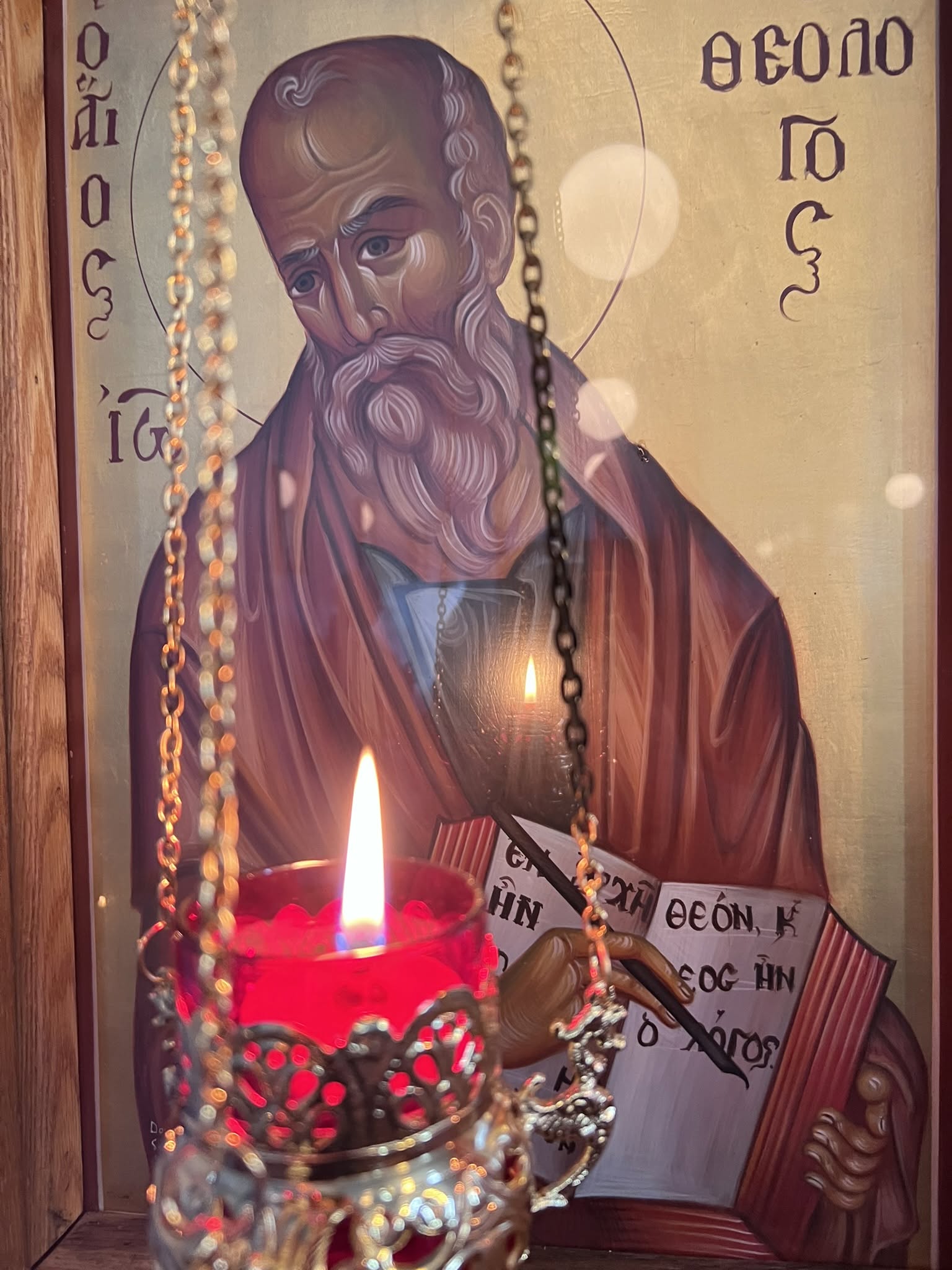
Orthodox worship can feel unfamiliar at first. Our services carry centuries of Christian prayer, and they are meant to be experienced as much as understood. You will hear chanting and prayer more than spoken commentary, see icons and candlelight, and notice that the service moves at a calm, unhurried pace. For many visitors, the best way in is simply to stand, watch, and take it all in.
Nobody expects you to know what to do or to join in every part. Feel free to slip in quietly, find a spot to stand or sit, and let the service speak for itself. The meaning tends to become clearer over time, less through explanation than through coming back again and again.
Calendar of Services
A Guide to Orthodox Services
Over the course of the week and the church year, the Orthodox Church offers a number of different services. The descriptions below explain what each one is, when it is usually served, and where it fits in the life of the Church.
Divine Liturgy
The Divine Liturgy is the Church’s central act of worship, where the faithful come together to give thanks and receive Holy Communion, sharing in the life of Christ’s Body.
Orthros (Matins)
Orthros, also called Matins, is the morning service of praise that prepares us for the Divine Liturgy. With psalms and hymns, the Church welcomes the new day and proclaims the light of Christ.
Great Vespers
Vespers is the evening service of prayer that opens the liturgical day. Psalms, incense, and hymns offer thanks for the day just ending and prepare us for what comes next.
Typika Reader Service
The Typika is a short service of prayer and Scripture, led by lay readers when a priest is not available. There is no Communion, but it gives the community a time for prayer, reflection, and fellowship.
Vesperal Liturgy
A Vesperal Liturgy joins Vespers to the Divine Liturgy. It is usually served on the eve of a major feast so that the parish can celebrate the feast together in the evening.
Great Compline
Great Compline is a solemn evening service, usually served during Great Lent and other fasts. Quieter and more reflective than most services, it is filled with psalms, hymns, and long prayers of repentance.
Royal Hours
The Royal Hours are morning prayer services served on great feasts such as Christmas and on Holy Friday. Through psalms, Scripture, and hymns they draw out the meaning of the day in a quiet, focused way. Visitors are welcome to come and listen, even if the format is new to them.
Visiting the Orthodox Church
Coming to an Orthodox church for the first time raises questions, and that is perfectly natural. Below you will find answers to the ones we hear most often from first-time visitors to St. John the Theologian. If your question isn’t here, please reach out, or simply introduce yourself when you come. We would be glad to help.
Looking for a Christ-centered church?
The Orthodox Church is centered on Jesus Christ, His Gospel, and the life He gives His people. Our worship, teaching, prayer, and parish life all aim at knowing Christ, following Him faithfully, and being changed by His grace.
What is the Orthodox Church?
The Orthodox Church is the Church Jesus Christ founded and entrusted to His apostles. Through apostolic succession, its bishops stand in an unbroken line back to the apostles, and the Church has kept the faith, doctrine, sacraments, and Holy Tradition of the early Christians. It is not a branch of Roman Catholicism and has never been under the Pope, so doctrines and practices that developed later in the Roman Church were never adopted by Orthodoxy.
Does the Orthodox Church recognize the Pope?
We recognize the Pope as the head of the Roman Catholic Church, but we do not accept his authority over the whole Church. Orthodox bishops share one apostolic office, and no single bishop holds supreme jurisdiction or infallibility over the rest. Because the Orthodox Church has never been governed by the papacy, later Roman Catholic doctrines and institutions are no part of Orthodox teaching or history.
What can I expect to see in an Orthodox service?
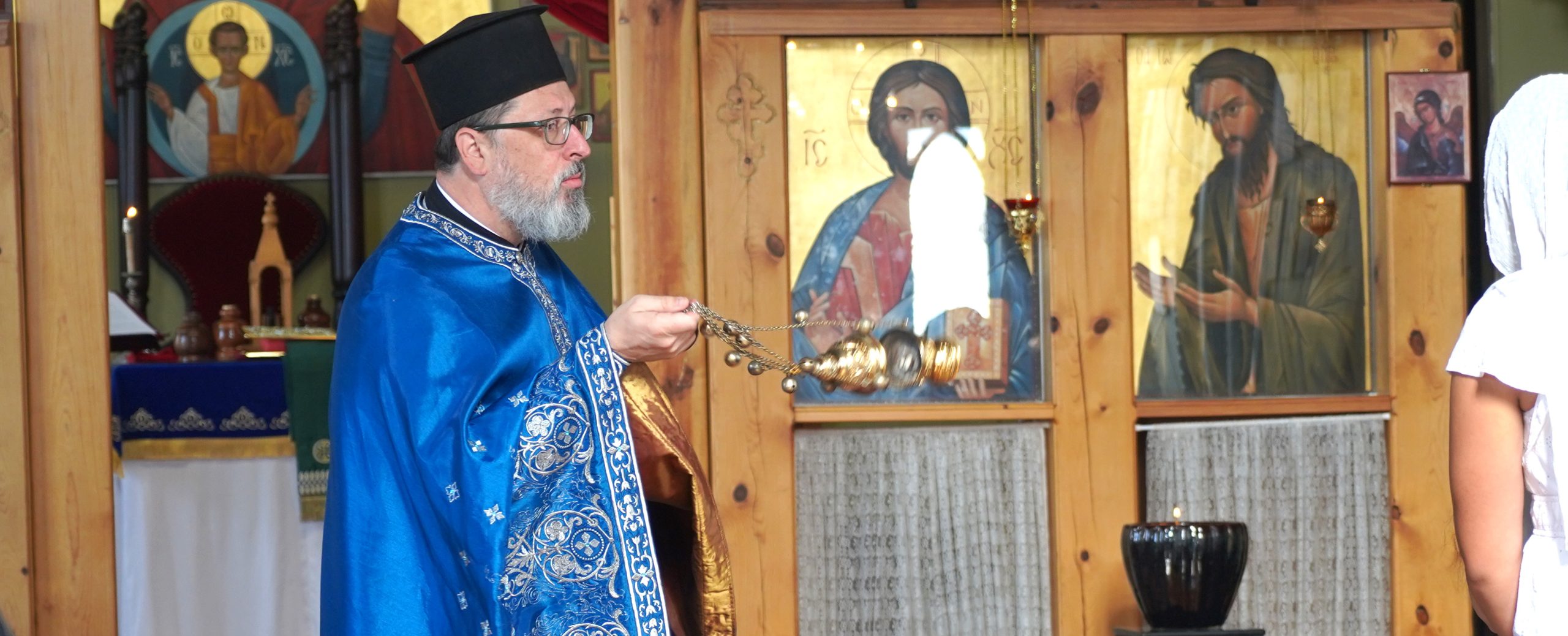
Orthodox worship is reverent, active, and involves the whole person. You will see icons, candles, vestments, processions, and incense, and hear Scripture, prayers, and hymns. Worshippers stand, make the sign of the cross, bow, and venerate icons. Much of the service is sung or chanted by the priest, choir, and people together. Visitors are not expected to know the prayers or gestures. It may feel unfamiliar at first, and you are welcome to watch, listen, and join in as far as you are comfortable.
What will I be expected to do during worship?
Nothing is required of visitors. Stand, sit, or simply observe as you like. Many people find it helpful to watch and listen for their first few visits before taking a fuller part.
What do Orthodox Christians believe?
Orthodox Christians believe in one God, Father, Son, and Holy Spirit, and confess Jesus Christ as fully God and fully man. Christ became man for our salvation, died, rose again, and calls us into communion with God. The faith comes to us through Holy Scripture and Holy Tradition, and is lived out in worship, the sacraments, prayer, repentance, fasting, and works of mercy. The Nicene Creed sums up its essential teachings, which have been handed down from the apostles through the life of the Church.
How long will Liturgy last?
The Divine Liturgy usually takes about an hour, though this varies with the feast. Orthros, the morning prayer service before Liturgy, also runs roughly an hour. On an ordinary Sunday when Liturgy is served, the parish is typically together in worship for about two hours.
May non-Orthodox receive communion?
Communion is for baptized and chrismated Orthodox Christians who have prepared with prayer and fasting. Visitors are warmly invited to take a piece of the blessed bread offered at the end of the service.
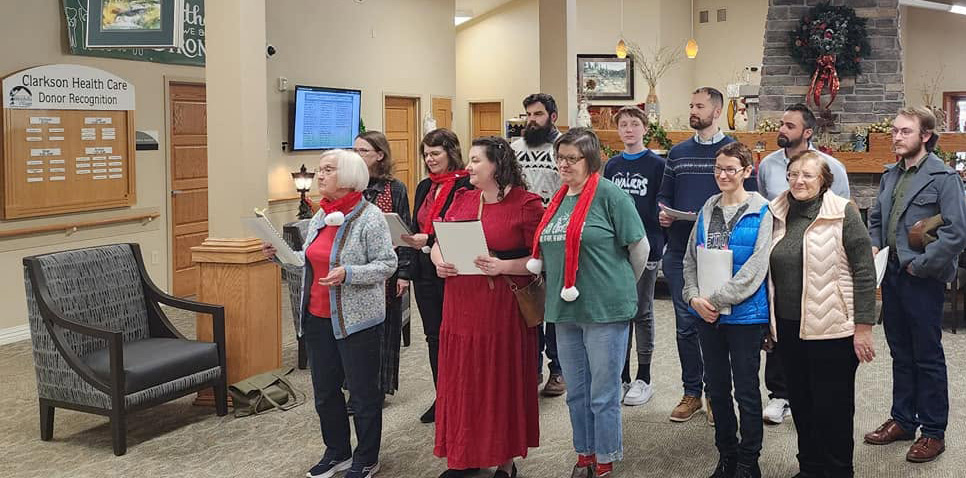
Parish Life at St. John the Theologian
Parish life at St. John the Theologian reaches beyond Sunday worship. Alongside the services, we share fellowship after Liturgy, gather during the week, and build the everyday friendships that grow when people share life in the Church. Whether you have been Orthodox all your life or are just beginning to explore, you will find a warm and welcoming community here.